ADU House Hacking 2026: A Cash-Flow Reality Check
Accessory dwelling units are the fastest-growing path into house hacking — and the one where the pro forma is least forgiving. Here's the honest math on zoning, cost, and cash flow.
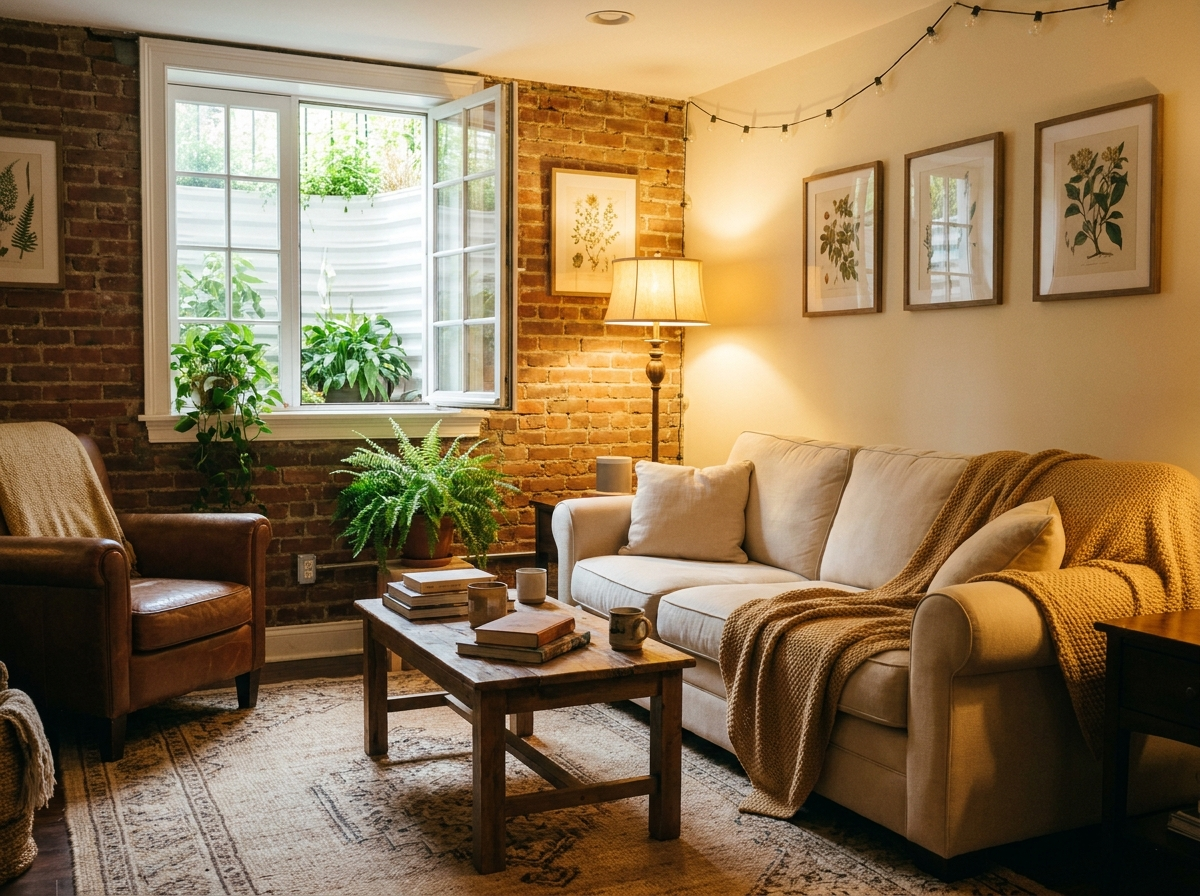
If the basics of second units got you interested, this is the reality check. Accessory dwelling units — a garage conversion, a backyard cottage, a legalized basement — have gone from fringe to mainstream as cities loosened their rules, and by 2026 they're a legitimate house-hack strategy in dozens of metros. But an ADU you build is a construction project, and construction projects punish optimism. The strategy lives or dies on whether the rent justifies the cost.
The 2026 zoning picture
The direction of travel has been unusually consistent: statewide reforms and local ordinances have made ADUs by-right in more places, capped the parking requirements that used to kill them, and created ministerial (faster, non-discretionary) approval paths. That's the good news. The catch is that "allowed" and "easy" are different words. Setbacks, owner-occupancy conditions, utility-connection rules, and impact fees vary block to block, and a "streamlined" permit can still take months.
Before you buy the lot, call the city
- Is an ADU by-right here, and what size and height are allowed?
- What are the setbacks, and does the lot physically fit a unit that rents for enough?
- Is there an owner-occupancy requirement — and does it survive if you later move out?
- What do utility connections and impact fees run? These are the line items that blow up budgets.
What it actually costs to build
This is where dreams meet invoices. A converted garage or basement is the cheap end; a new detached cottage on a slab with its own utilities is a real building with a real price. Costs vary enormously by region and finish, but the shape is consistent: it is rarely the small number people hope for, and the two most-underestimated items are utility connections (sewer, water, a separate electrical service) and the site work nobody sees in a rendering.
The only honest way to plan is to treat the conversion budget as part of the purchase price — because your mortgage does. A house that "comes with ADU potential" for $300k, plus a $120k build, is a $420k deal, and it has to cash-flow as one.
Financing the build
You have a few paths, and each changes the math. A renovation loan (FHA 203(k) or a conventional equivalent) can roll the build into the purchase mortgage — powerful for a house hack, because you keep the low down payment. Existing owners often tap a HELOC or cash-out refinance. A handful of lenders now underwrite the ADU's projected rent, which helps qualification. Whatever the source, borrow for the build with the same discipline you'd bring to the purchase — the interest is real, and a half-finished ADU earns nothing.
The cash-flow reality check
Here's the unglamorous truth: a built-from-scratch ADU often has a longer payback than a duplex you simply buy. The rent is real, but so is the six-figure cost and the months of no income during construction. That doesn't make it a bad idea — a legal ADU pays twice, once in rent and once in appraised value, and it can turn a single-family you'd have bought anyway into a house hack. It just means the numbers deserve more scrutiny, not less.
Make it pencil, honestly
- Price the build high and the rent low. If it still works, you have a real deal.
- Count the vacancy of construction — months of mortgage with no offsetting rent.
- Prefer legalizing an existing space to building new when you can; it's a fraction of the cost for similar rent.
- Confirm the exit, too: does the ADU add appraised value in your market, or just rent?
Do it in the right order — paperwork, then drywall, then tenants — and an ADU is one of the most durable house-hack assets there is. Do it on optimism, and it's the most expensive way to learn that "potential" isn't a number. Run it through the calculator as a single project, cost and rent together, before the first permit.