Managing a House Hack While Living There
Rules, boundaries, and tenant communication for the landlord whose commute to the rental is a staircase — and how to tell when it's time to move out.

Once you've screened well and signed a fair lease — the groundwork we cover in Your First Tenant — the day-to-day begins, and it has a wrinkle no textbook landlord faces: you live here too. That closeness is your greatest advantage. It's also the fastest way to turn a good arrangement sour if you don't build a few simple systems on day one.
Set the relationship before the first issue
The tone is set in the first week, not the first dispute. Be warm, be responsive, and be unmistakably professional — the goal is a neighbor who happens to pay you rent, not a friend who happens to owe you money. The distinction protects both of you when something inevitably goes wrong.
Systems to put in place on day one
- One channel for anything official. Rent, repairs, and notices go through a payments app or email — not a hallway conversation you'll both misremember.
- Auto-pay for rent. Removes the single most common source of friction, and the awkward doorstep ask.
- House rules in plain English, attached to the lease: quiet hours, shared laundry, trash day, parking, guests, the yard. Vague rules cause disputes; written ones prevent them.
- A stated response time for repairs — and then beat it. A landlord who fixes things fast is worth years of tenancy.
Boundaries in shared space
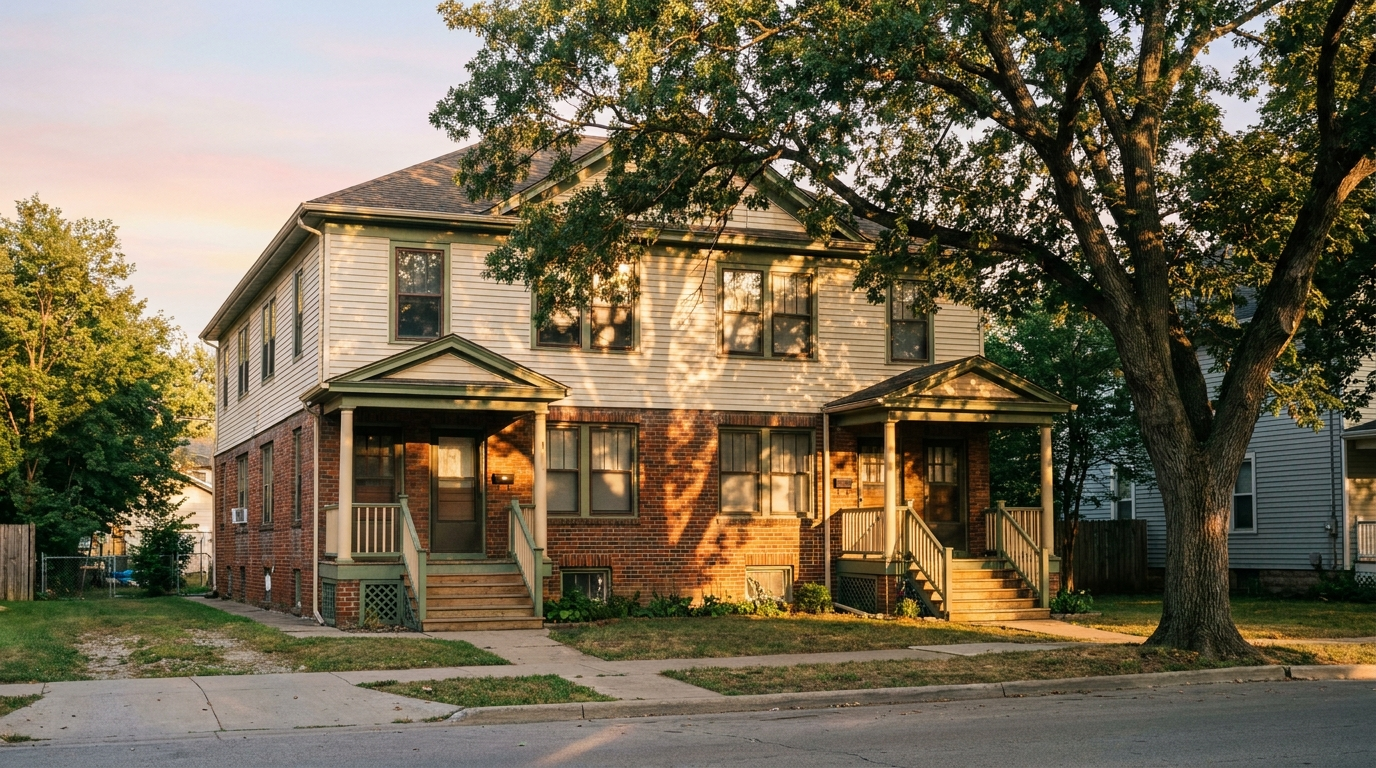
The friction points in a live-in hack are almost always physical: sound through the shared wall, the basement laundry, the driveway, the yard, the trash cans. Name them in the house rules and, where you can, engineer them out — a rug over the tenant's ceiling, a second set of bins, a clear laundry schedule. And resist the urge to "just knock." Entering the tenant's unit, even in a building you own and live in, requires proper written notice under your state's law; treat their door like any landlord would.
When something goes wrong
Because you're close, small problems surface early — a good thing, if you handle them like a professional. Put every real issue in writing, apply the lease consistently, and never let a personal annoyance drive a housing decision. Late rent, lease violations, and the rare need to not renew all have legal procedures; follow them exactly, and when a situation gets genuinely difficult, a brief consult with a local landlord-tenant attorney is money well spent. The proximity that makes management easy also makes emotions run hot — your written records and steady process are what keep it fair.
Knowing when to move out
Most house hackers eventually leave — to buy the next building, to grow into more space, or simply because the season for living beside a tenant has passed. There's no wrong time, but a few signals point to it: the numbers now work with the whole property rented, you've built enough reserve to manage from a distance, or a property manager's fee finally fits the budget. Before you go, re-read the tax guide — moving out converts the whole property to a rental and starts a clock on the primary-residence capital-gains exclusion.
Handled with a little warmth and a lot of consistency, a live-in hack is the gentlest introduction to being a landlord there is. You learn the job with one unit, next door, where doing it well is its own immediate reward — a quiet building and a tenant who renews.